For Research Use Only · Not For Human or Veterinary Use · Not FDA-Approved

FDA PCAC · Voted Jul 24 2026

The
research
caught up.

Six peptides — BPC-157, TB-500, KPV, MOTS-c, epitalon, semax — just earned a federal advisory committee’s recommendation for pharmacy compounding. We’ve been compounding and assaying every one of them for years. Receipts public.

Pharmacy-grade.
Not “trust me bro”-grade.

The gray market got there first and poisoned the well. Merit exists for the other path: licensed compounding, independent assays, a published certificate for every lot — on the exact six compounds the committee just named.

The Six · Recommended Jul 24 2026

Named by the committee. Stocked by Merit.

01Repair.BPC-157

A pentadecapeptide sequence originally isolated from human gastric juice, and the most heavily published compound of the six. Three decades of preclinical literature examine it in tendon, ligament, muscle and gastrointestinal injury models — much of the foundational work coming out of Sikirić’s group in Zagreb.

15 amino acidsGastric-juice derivedStudied since 1991
View BPC-157
02Recovery.TB-500

The synthetic fragment corresponding to the active actin-binding region of thymosin beta-4, a protein present in nearly every human cell and in wound fluid. The research literature centers on cell migration, tissue regeneration and flexibility following injury.

7 amino acidsThymosin β4 fragmentActin-binding domain
View TB-500
03Inflammation.KPV

The C-terminal tripeptide of alpha-melanocyte-stimulating hormone — lysine, proline, valine. Studied primarily in models of intestinal and cutaneous inflammation, where the interest is that it appears to carry the anti-inflammatory activity of the parent hormone without its pigmentary effects.

3 amino acidsα-MSH C-terminalLys-Pro-Val
View KPV
04Metabolic.MOTS-C

One of a small class of peptides encoded by mitochondrial rather than nuclear DNA, identified at USC in 2015. Research examines its role in metabolic regulation and exercise capacity. It is the youngest literature on this list — which cuts both ways.

16 amino acidsMitochondrial-encodedIdentified 2015
View MOTS-c
05Longevity.EPITALON

A tetrapeptide developed from pineal gland extract by Vladimir Khavinson’s group in St. Petersburg. Published work spans telomerase activity and circadian regulation, including long-running Russian cohort studies that Western literature has not replicated at scale.

4 amino acidsPineal-derivedKhavinson, 1980s
View Epitalon
06Cognitive.SEMAX

A heptapeptide analog of ACTH fragment 4-10, developed in Russia where it has been on the national registry of medicines for decades. Research addresses cognition, attention and neuroprotection — a substantial body of work, most of it published in Russian.

7 amino acidsACTH(4-10) analogRussian registry drug
View Semax

A PCAC recommendation is not FDA approval; rulemaking runs into 2027. All Merit compounds are research-use-only. Category terms describe each peptide’s published literature — not our products.

Rulemaking watch · Live · What has to happen before these are 503A-legal

  1. Nominated

    Complete · 2025

  2. PCAC vote

    6 recommended · Jul 24 2026

  3. Proposed rule

    Pending · FDA

  4. Final rule

    Expected 2027

Lot LOT2026-06-0001 · tested 2026-07-30

The receipt is printed on the label.

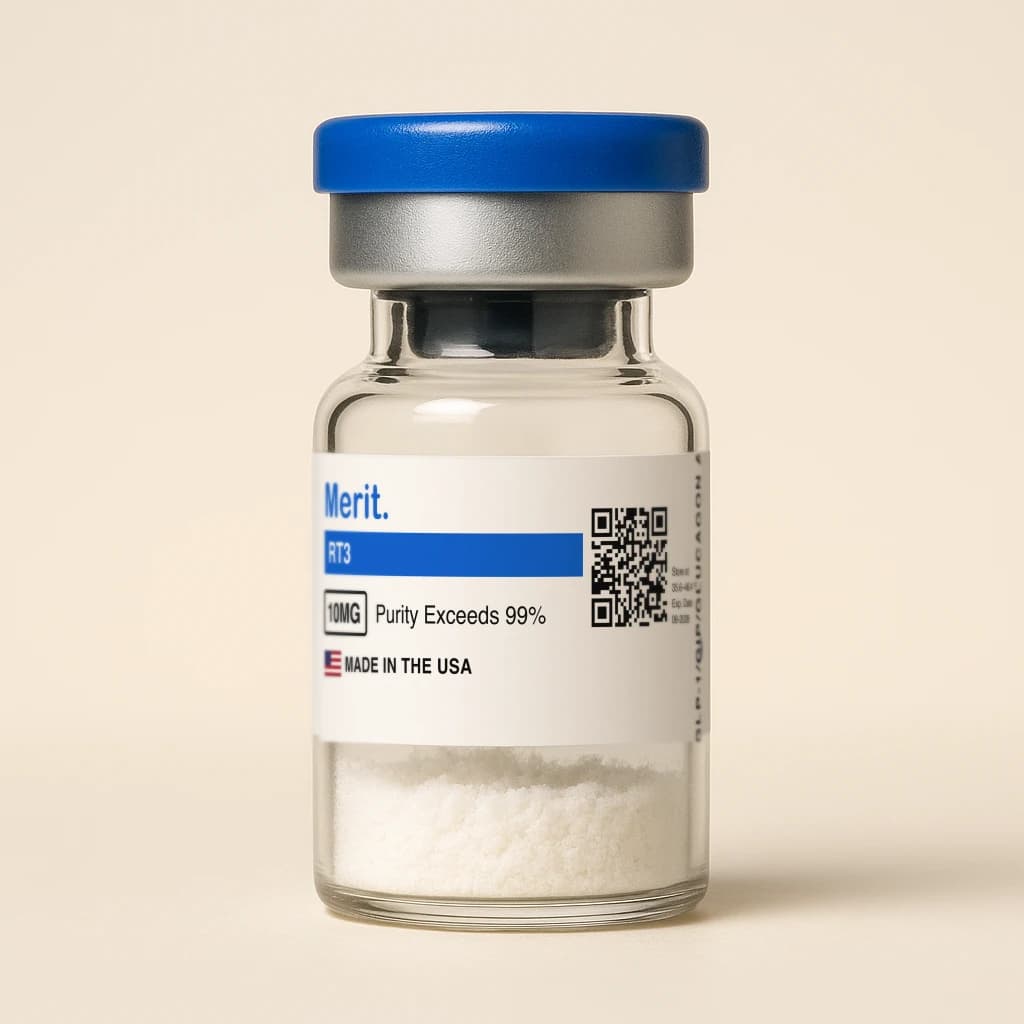
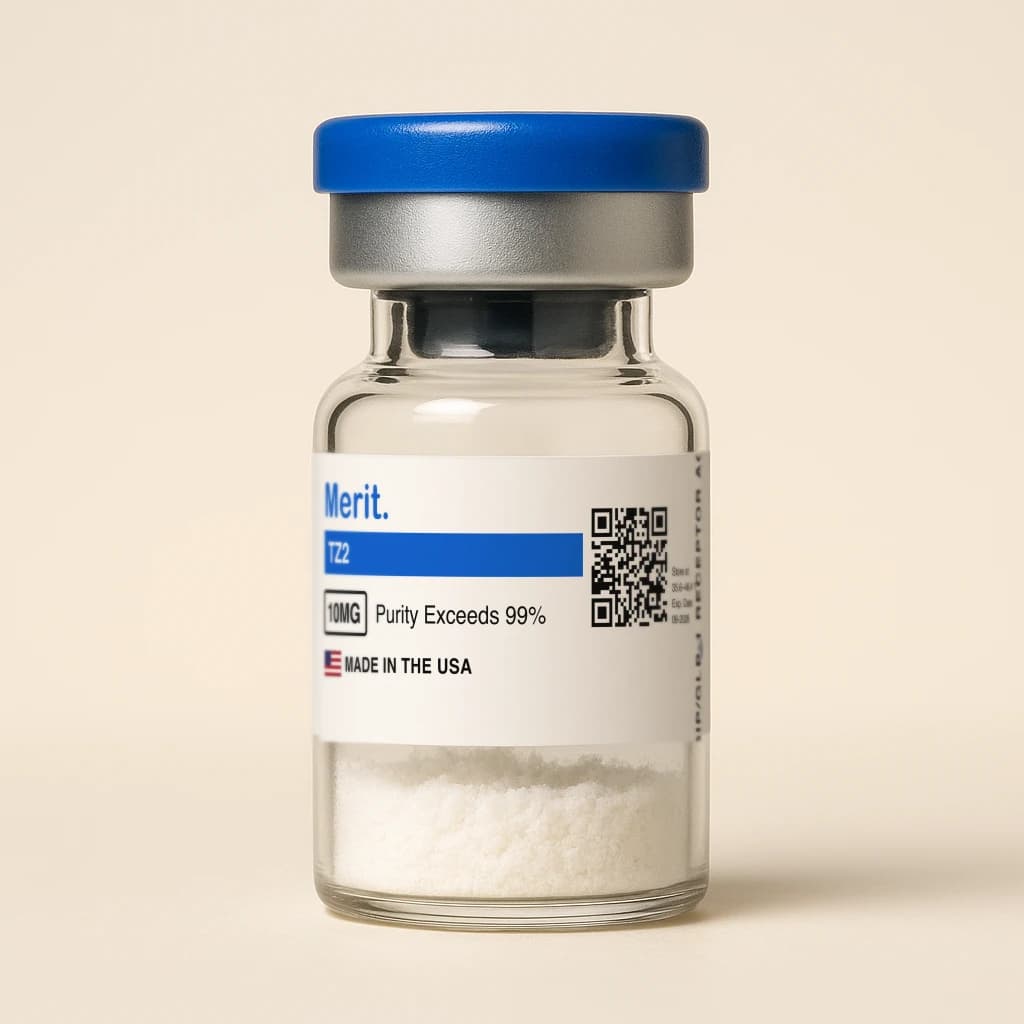
Every vial label and every box carries a QR code. Scan it and that lot’s certificate of analysis opens — identity, purity, appearance — from the laboratory that ran it. No account. No request form.

QR code linking to Merit lot certificates of analysis

Scan → meritsciences.com/coa

Purity (HPLC)
99.63%
Compound
CJC-1295 / Ipamorelin 20mg
Certificate
COA-2026-HJ44UC
Dispatch
48 HRS

Research notes

First access to new lots.

A short note when there’s something worth saying. No noise.

Stock what
the committee
recommended.

Shop the catalog